Simba Jemwa | Chief Writer
Seven matches into their Mashonaland East Division Two ‘A’ League journey, Havana Football Club are laying foundations in Mabvuku. Their plan is to build a senior side around young players and give local talent a path from the juniors to the first team.
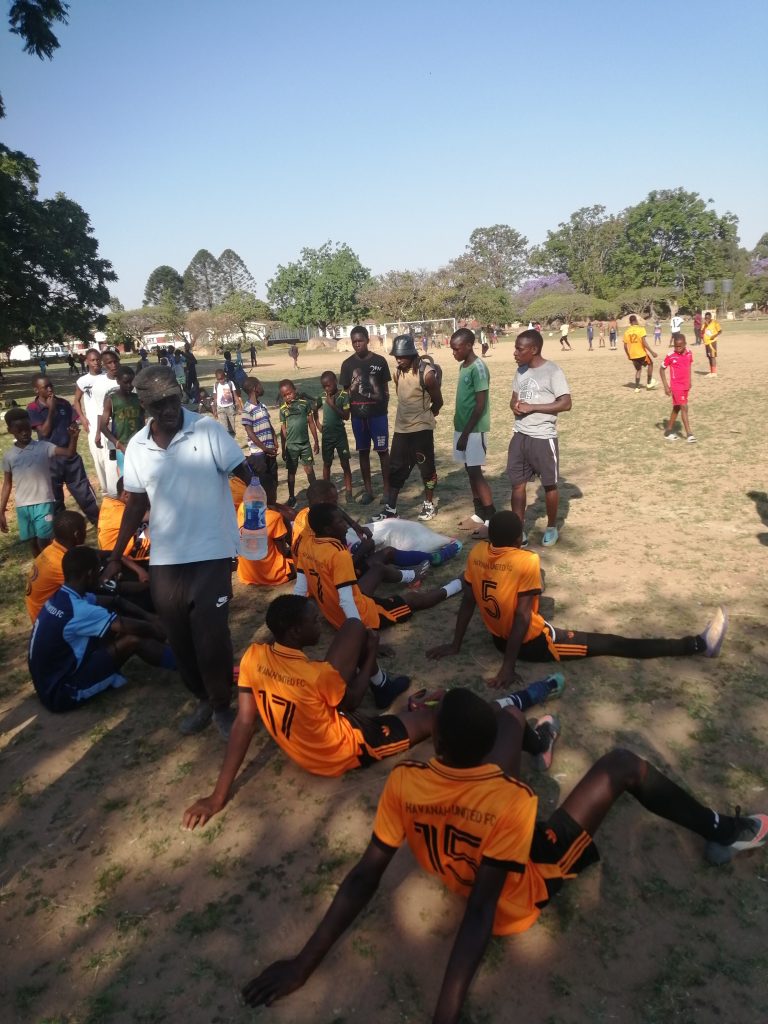
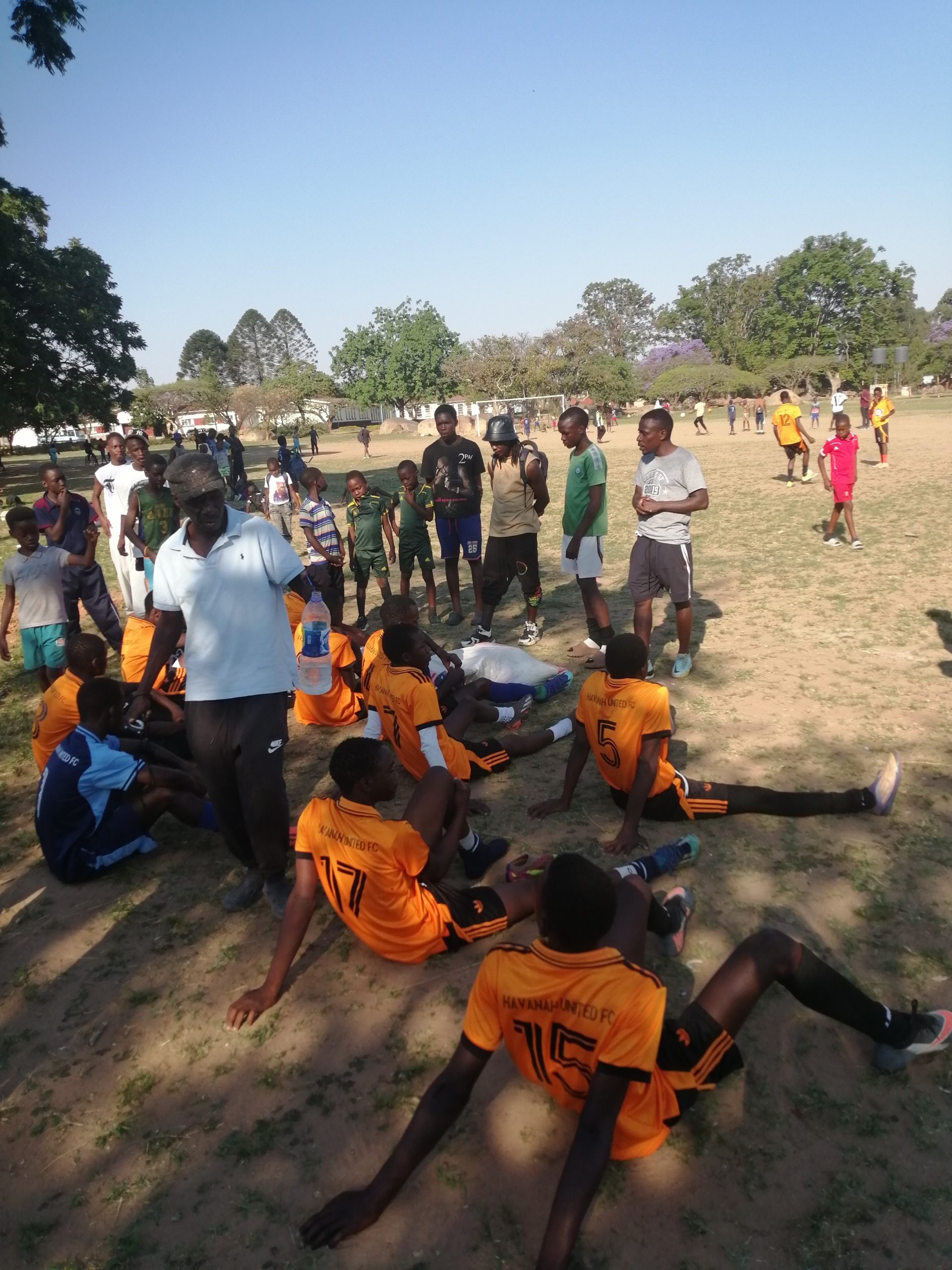
At Mabvuku Primary School, Havana FC are working on a project that reaches beyond the next result. The Harare club’s senior team is still finding its feet in Division Two, but the plan behind it is taking shape: recruit youth and development players, give them the chance to grow, and build a club structure that starts with children and reaches towards senior football.
Havana are seven matches into their league campaign after taking over the franchise of Eastview FC. They compete in the Mashonaland East Division Two A League and currently sit seventh in the standings. That position offers an early snapshot of a new team’s start, rather than a final measure of what the club hopes to become.
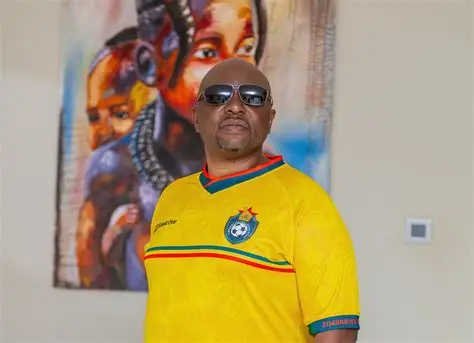
For player-assistant coach Tino “Baba Star” Kuzu, the players are not strangers arriving for the first time this season. He began working with them three years ago, before Havana’s senior side entered the league under its current identity. The club’s first seven matches, then, sit within a longer process of working with the group.
“Development is about more than teaching a young player how to pass or shoot. It is helping them learn the discipline, confidence and understanding they need to keep progressing,” says Kuzu.
That continuity matters in a development-focused side. Young players stepping into senior football need time to adjust to its pace, physical demands and pressure. A team built around them must balance the immediate challenge of competing in the league with the longer work of helping its players improve.
Havana’s approach is to make that development part of the club’s structure. Alongside the Division Two side, the club runs junior teams at Under-9, Under-11, Under-13, Under-15 and Under-17 level. It is a broad age-group programme for a Mabvuku club, giving young players opportunities to be involved at different stages of their football development.
“Young footballers need a clear pathway. They should be able to see how their journey can take them from junior football into the under-age teams and, if they are ready, into the senior side,” Kuzu says.
The idea is straightforward: create a pathway. The youngest teams introduce children to the game, while the older age groups offer more football as players grow. The senior side gives those who progress the prospect of playing competitive adult football. A pathway does not guarantee that every junior will reach the first team, but it gives the club a framework for identifying and developing talent from within.
That local emphasis is central to Havana’s identity. The club is based in Mabvuku, trains at Mabvuku Primary School and is focused on signing youth or development players for its Division Two team. In a league where results can quickly become the main talking point, Havan are also trying to create a setting in which younger footballers can gain experience and build towards something larger.
“At Havana, we want to give young players the opportunity to develop and test themselves. The transition to senior football takes time, so they need coaching, patience and chances to learn through competition,” added Kuzu.
The choice of Mabvuku Primary School as the training base gives the project a home in the community it represents. For local players, having the team work nearby can make football feel more accessible. It also places the club’s senior side alongside a programme that includes children from under-nine level upwards, bringing different stages of the game under the same club name.
Havana’s takeover of Eastview FC’s franchise gave them an entry into the Mashonaland East Division Two ‘A’ League. The new club now have to make that opportunity their own: establish a playing group, compete in a senior division and develop an identity that connects the league side to its junior teams.
Seven matches is still a small sample. Havana are in the early stages of learning what the division demands and how their young squad can respond across a campaign. The table will move; the more lasting test will be whether the club can develop players while remaining competitive.
That balance is not automatic. Development takes patience, while a league asks teams to deliver results week after week. Young players can learn from the experience of senior competition, but they also need structure and support around them. Havana’s youth-focused recruitment gives the club a clear direction, and Nyemba’s three years of work with the players provide an important link between the group’s past and its current campaign.
“Our junior teams are important because they give players a place to grow at every age. We want a young player to know there is a next step for them if they keep working and improving,” Kuzu says.
There are questions ahead. Can Havana turn a young squad into a consistent Division Two side? Will players from the junior teams make the step up in time? And can the club sustain a programme that spans five age groups while establishing itself in the senior league? Those answers will arrive over seasons, not in the first seven games.
For now, the project’s ambition is visible in its shape. Havana have a senior team competing in the Mashonaland East Division Two A League, a home ground for training at Mabvuku Primary School, and junior sides stretching from Under-9 to Under-17. They have also made a deliberate choice to focus their senior recruitment on youth and development players.
“Results matter, but development matters more. If we help players improve and give them the right opportunities, we are building something that can benefit the club and the community for years,” Kuzu says.
The standings place Havana seventh. The club’s plan looks further ahead: nurture young talent in Mabvuku, give it a route into senior football and build a team that can grow together. In a campaign still at its beginning, that is the story behind the results — and the promise Havana will be aiming to make good on.
About the Author