Simba Jemwa | Chief Writer
In Chizhanje, Mabvuku – in Harare – Ballonz Social Football Club is keeping alive a particular kind of Zimbabwean football — one built on friendships, memories, neighbourhood pride and players who simply cannot stay away from the pitch.
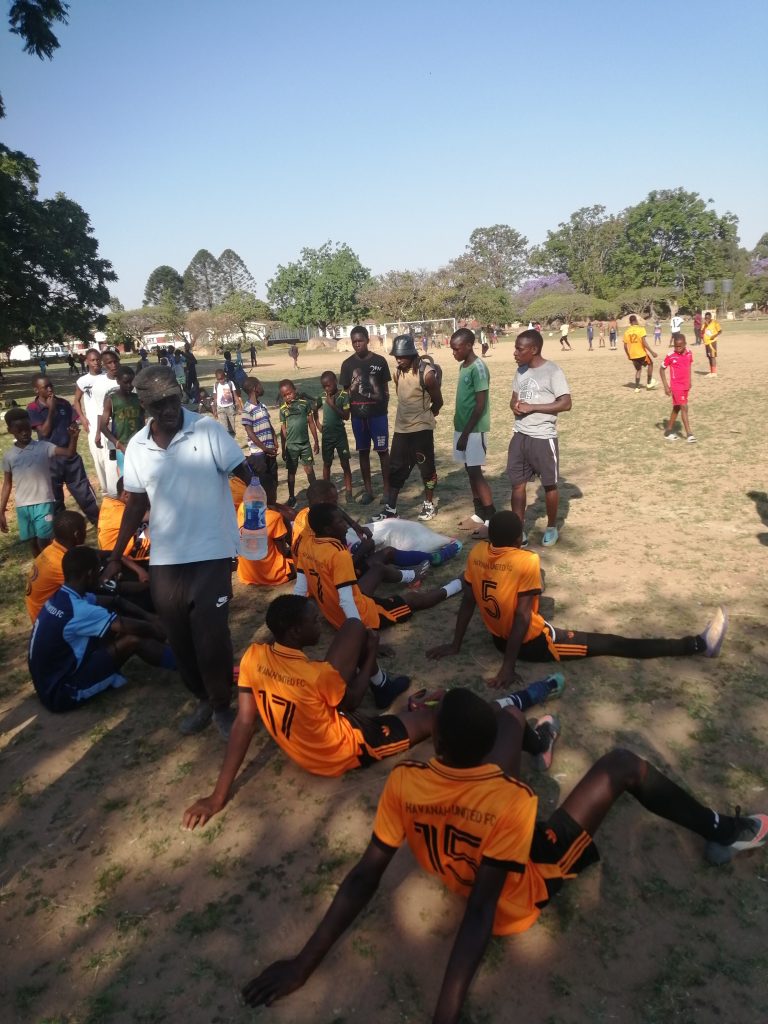
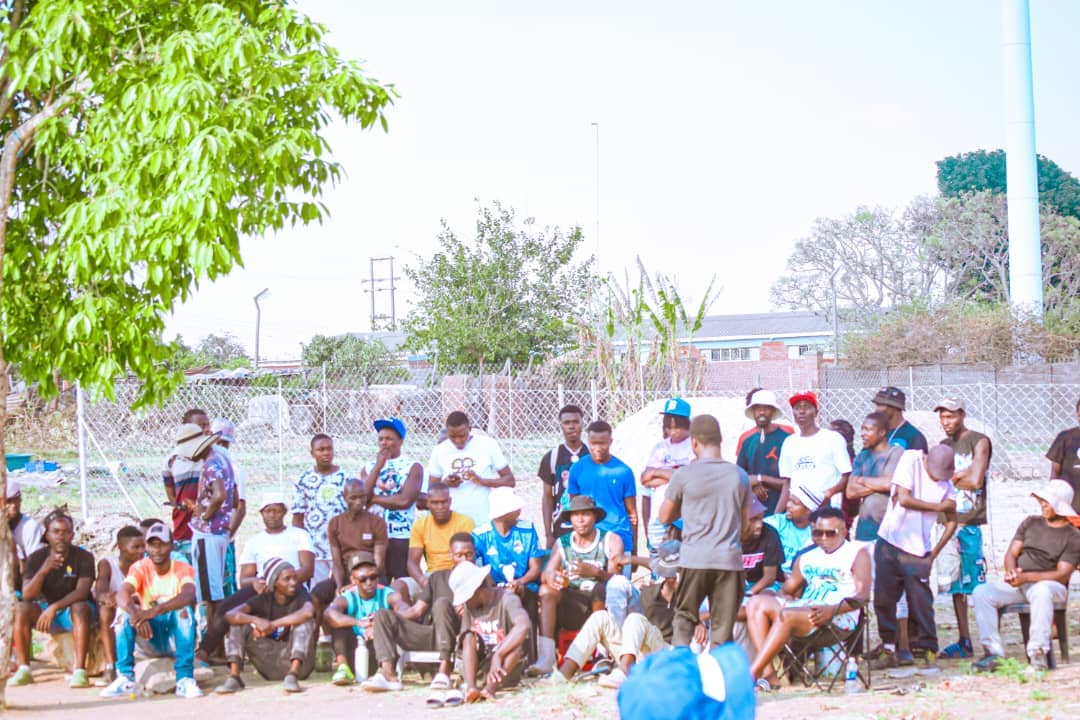
On any given weekend in Chizhanje, football has a familiar sound.
Boots scrape against the surface. Someone is shouting for the ball. Someone else is disputing a decision that, in a more serious match, might have brought a yellow card.
There is laughter, too.
And somewhere among it all are players who have spent years hearing very different sounds: the roar of Premiership crowds, the pressure of dressing rooms, the long journeys to away grounds and the unmistakable tension of playing for points.
Now they are here because they still love football. This is Ballonz Social Football Club. And if you only look at the word “social”, you miss half the story.
Ballonz is a football club, but it is also a meeting place for football memories.
Among its familiar figures are Kelvin “Keegan” Ariferi, Irvin Tinarwo and Simon Choenda — three men whose playing careers provide a remarkable snapshot of Zimbabwean football. They have played for different clubs, in different towns and in different eras. Now they share the same football home.
“We wanted somewhere football people could still belong”
For Ballonz chairman, Abel ‘Mbayisha’ Mlauzi, that sense of belonging is central to what the club is trying to create.
“Ballonz was never meant to be just another social football team. We wanted to create a place where people who love football could come together, but also a place where experience could be passed on. When you have players like Ariferi, Tinarwo and Choenda around you, there is a lot of football knowledge in that dressing room,” revealed the Ballonz chairman.
It is an important distinction. Ballonz is not attempting to recreate the Premiership. There is no need to pretend that every Saturday is a cup final. The attraction is more human than that.
“For us, it is about keeping people connected to the game. Some of these players have played at the highest level in Zimbabwe, and now they can enjoy football without the pressure that comes with professional football. At the same time, the younger guys get to learn from them.
“We want Ballonz to be part of the Chizhanje football story. We want people to look back and say this was a club that brought people together and kept football alive in the community,” he added.
Former players can play without the pressures that once accompanied their careers. Friends can reconnect. Younger footballers can learn from men who have experienced professional football. And supporters get another opportunity to see familiar names doing what they have always done best.
Playing football.
Ariferi: the winger who never really left the game
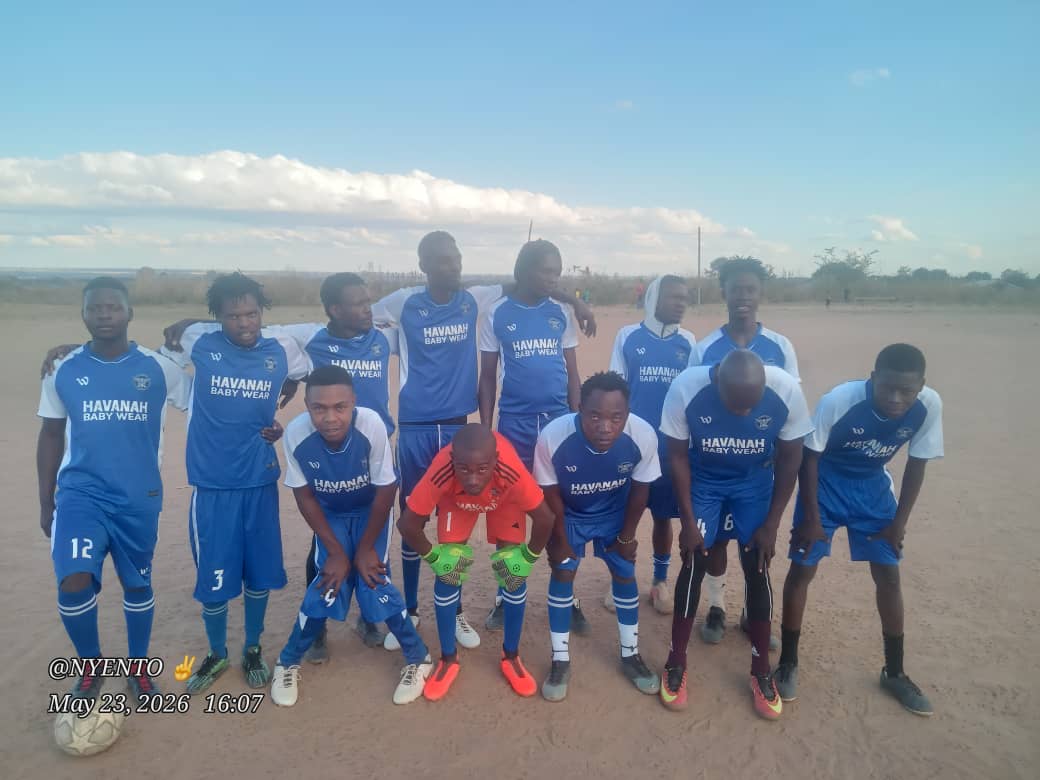
Kelvin “Keegan” Ariferi understands the journey better than most. His career took him through Kwekwe Stars, Border Strikers, Lancashire Steel, Ziscosteel, Ghetto Pirates and Frontier Steel. There is a distinctly Zimbabwean football map contained within those names.
Kwekwe Stars. Lancashire Steel. Ziscosteel. Frontier Steel.
These were clubs connected to communities where football and industrial life were often inseparable. For Ariferi, the game was not simply about turning up on Sunday. It became a career. He played, travelled, trained, competed and learned the demands of life as a footballer. Now, years after those professional battles, he is still turning up.
“Football has been a huge part of my life, so I don’t think you ever really retire from it. You may stop playing professionally, but the moment you see a ball, that feeling comes back. That is what I enjoy about Ballonz,” Ariferi told SportsNATION.
“I’ve played for Kwekwe Stars, Border Strikers, Lancashire Steel, Ziscosteel, Ghetto Pirates and Frontier Steel, and every club gave me something different. I met different people, played different styles of football and learned lessons that I still carry with me today,” he said.
“What I like about Ballonz is that there is no pretence. You come here because you love football. You can laugh with the guys, compete with them and still have a serious game. For me, that is what football should always be about.”
“I also enjoy helping younger players. When you have played as a winger for many years, you learn things about movement, decision-making and taking on defenders. If I can pass some of that knowledge to the next generation, then I am still contributing to the game,” Ariferi added.
There is something fitting about it.
Ariferi was a winger — the sort of player expected to provide speed, imagination and a little unpredictability. Those qualities may change with age. The love of the game does not. And his involvement now extends beyond simply playing.
He has become increasingly interested in developing attacking players, particularly young footballers who want to learn the craft of playing in the final third. At Ballonz, his experience is therefore part of the furniture. Younger players do not have to search for someone who has been through professional football. He is standing next to them.
Tinarwo and the Chizhanje, Mabvuku connection
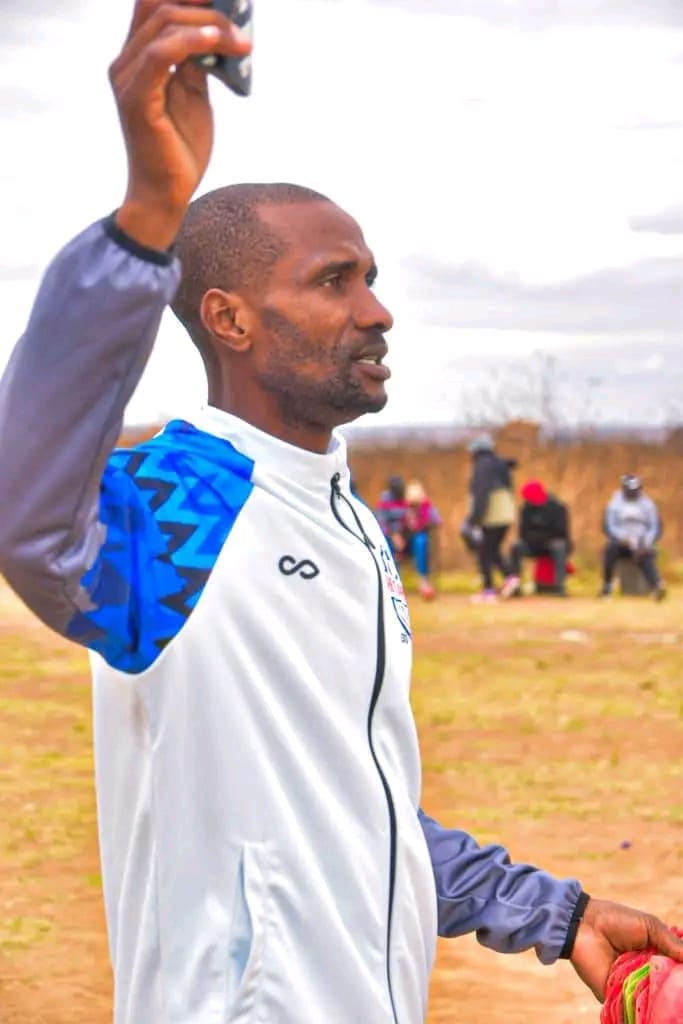
Premier Soccer League title winner, Irvin Tinarwo’s story is different, but there is a common thread. His career included CTC, Monomotapa, Highlanders, Border Strikers and Ghetto Pirates. And his name is woven into the wider football story of Chizhanje, Mabvuku.
Chizhanje Ground, has long been associated with the production of footballers. Published accounts of the area identify players including Simon Choenda, Sageby Sandaka, Robson Masauso and Marshall Munetsi among those connected with its football culture.
That history matters.
“I have been fortunate to play for some big clubs, including Highlanders and Monomotapa, as well as CTC, Border Strikers and Ghetto Pirates. Every club has its own culture, its own expectations and its own stories. Those experiences stay with you,” Tinarwo shared with SportsNATION.
“When you play professional football, sometimes you don’t realise how much you are going to miss the simple things when it is over — seeing the boys, putting on your boots and competing. Ballonz brings some of that feeling back.”
“There is a lot of experience around this team, but what makes it enjoyable is the friendship. You can tease each other, argue about football and then go out and play together. That is the beauty of social football.”
“I also think the younger players benefit from being around former professionals. You don’t have to give them a lecture every day. Sometimes they just need to watch how an experienced player thinks and behaves on the pitch.”
Because football in places such as Chizhanje has never depended entirely on academies and professional structures. It has grown from pitches, streets, schools, social matches and communities.
Tinarwo belongs to that tradition.
His career took him from CTC to Monomotapa and Highlanders before spells with Border Strikers and Ghetto Pirates added further chapters. He has seen different dressing rooms and has played alongside different generations. Now he is back playing football for the simplest reason of all.
There is something wonderfully circular about it. The young footballer once chasing the professional dream eventually becomes the experienced footballer young player’s watch.
Choenda: from Zimphos to Dynamos to Ballonz
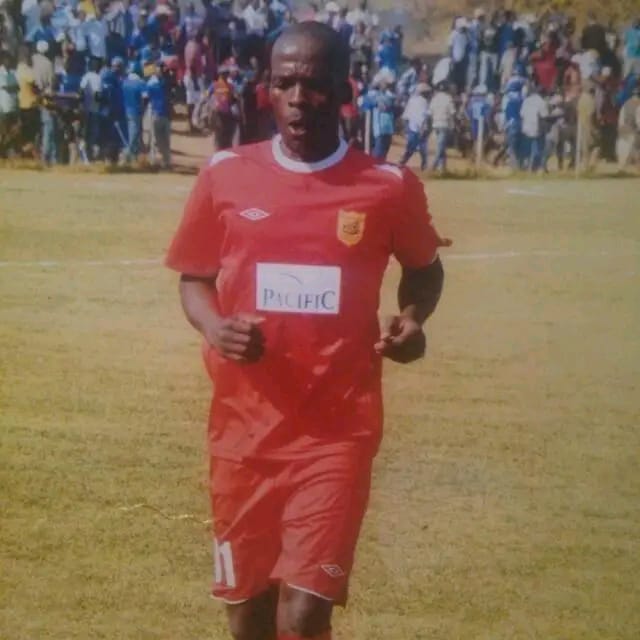
Then there is Simon Choenda.
His CV reads like a tour through some of Zimbabwe’s most recognisable football institutions. Zimphos. Sporting Lions. Dynamos. Shabanie Mine. Buffaloes. Black Rhinos.
Choenda’s career was built in the competitive environment of Zimbabwean top-flight football. He featured for Shabanie Mine, and contemporary match reports record him playing in the club’s Premiership side. He also played for Buffaloes, where he was listed in the club’s starting line-up against Highlanders.
He also appeared for Dynamos and remained part of the wider professional football circuit. But perhaps what makes Choenda’s presence at Ballonz particularly interesting is his connection to the Chizhanje football story.
He is one of the players associated with a football culture that has produced generations of talent. Now he is part of its social game.
“I have played for Dynamos, Shabanie Mine, Buffaloes and Black Rhinos, and those experiences gave me memories that I will always carry. But football doesn’t stop being enjoyable simply because your professional career has ended.”
“At Ballonz, you come to the pitch without all the pressure that comes with professional football. You are playing because you still love the game. But once the whistle goes, believe me, nobody wants to lose!”
“What makes Ballonz special is the mixture of generations. You have guys who have played professionally alongside younger players who are still trying to make their names. That is how football knowledge should be passed on.”
“For me, playing in Chizhanje also brings back memories of how football used to be. Football was always about community. You knew the players, you knew the supporters and everybody had a story.”
For a player who has known the pressure of professional football, there must be something liberating about the social game.
No contract negotiations. No league table. No manager deciding whether you start. Just the ball. And the old argument about who still has it.
The fans remember
For supporters, however, the attraction is not simply watching former professionals kick a ball around.
It is nostalgia. It is recognition. It is seeing someone you remember from a particular club suddenly standing in front of you again.
One Ballonz supporter, Tinashe Mahara, describes the attraction: ““When you see Ariferi, Tinarwo and Choenda playing, you don’t just see social footballers. You remember the clubs they played for and the players they used to compete against. It brings back a lot of memories.”
Another supporter, puts it another way: “What I like about Ballonz is that the younger players can actually see these former professionals up close. You can watch them play, talk to them and learn from them. That is something you don’t get from watching old match videos.”
That is where Ballonz has found something special. Football supporters are collectors of memories. They remember goals. They remember rivalries. They remember the player who could beat two defenders. They remember the midfielder who never stopped running. And they remember where they were when they watched those players for the first time.
Ballonz brings some of those memories back.
Football after the football
There is a tendency to think of retirement as the end of a footballer’s story. It isn’t. It is simply the end of one chapter.
For Ariferi, Tinarwo and Choenda, the professional game has already provided the big stadiums and the competitive pressure.
Ballonz provides something different. It provides continuity. The dressing-room jokes. The arguments. The banter. The familiar faces. The feeling of pulling on a shirt and knowing that, for the next 90 minutes, nothing else matters.
That may sound simple. It is. And that is precisely the point. Football does not always need to be complicated.
Sometimes you just need a pitch, a ball and people who still care.
A club with a memory
Ballonz is therefore more than a collection of former players. It is a bridge. Between professional football and social football. Between older players and younger ones. Between the football Zimbabwe remembers and the football it hopes to build.
Ariferi brings memories of Kwekwe Stars, Border Strikers, Lancashire Steel, Ziscosteel, Ghetto Pirates and Frontier Steel.
Tinarwo brings the stories of CTC, Monomotapa, Highlanders, Border Strikers and Ghetto Pirates.
Choenda brings the experience of Dynamos, Shabanie Mine, Buffaloes and Black Rhinos.
Different journeys. Different clubs. One football family. And perhaps that is what Ballonz is really about. Not trying to recreate yesterday. Not pretending that social football is professional football.
Just making sure the connection never disappears.
Because somewhere in Chizhanje, when the boots are on and the ball starts rolling, those old football stories suddenly become present tense again. And for a few hours, retirement can wait.
There is still a game to play.
About the Author